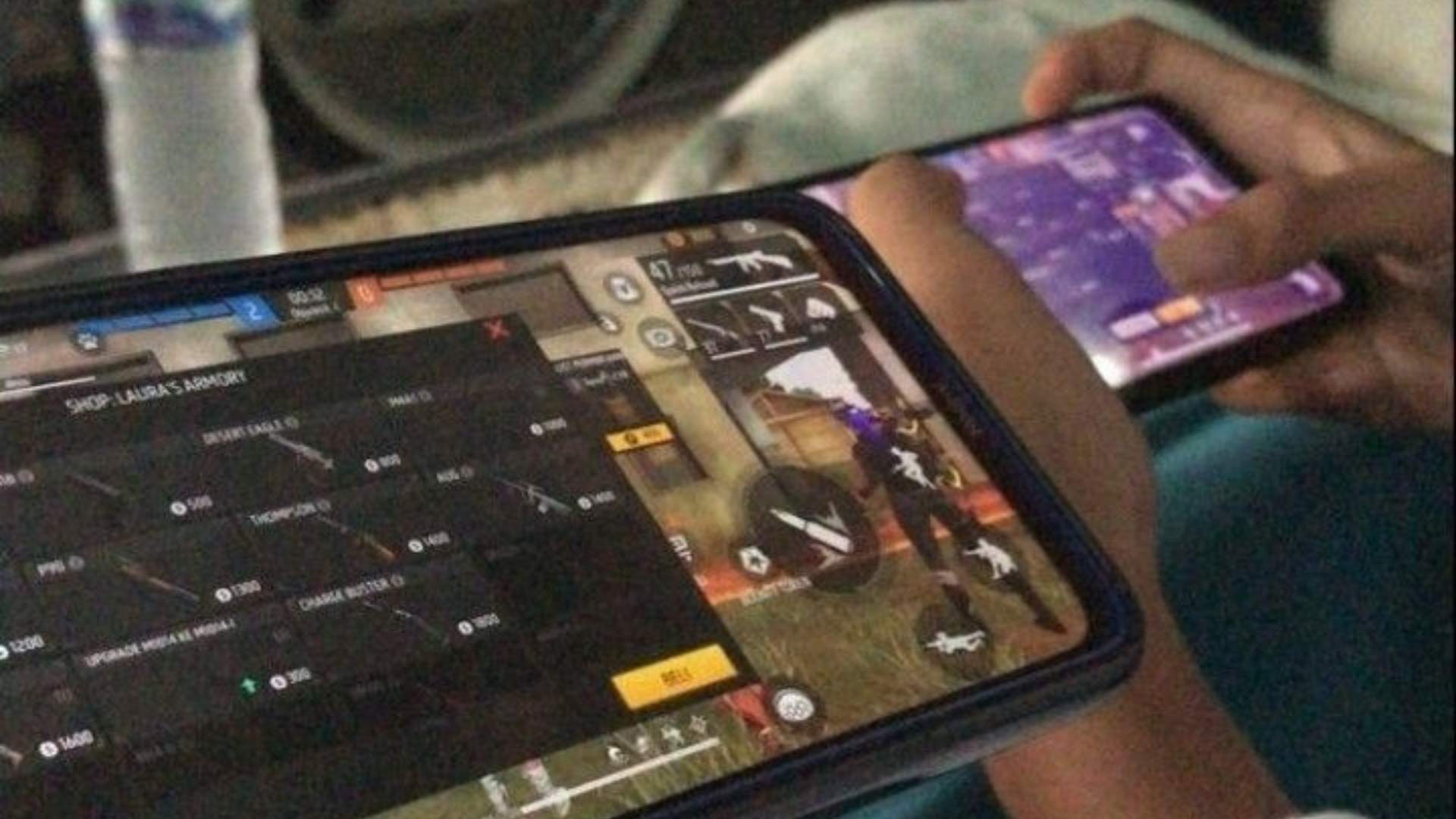
In the rapidly evolving world of competitive multiplayer gaming, mechanical skill and raw reflexes often dominate post-match highlights. However, seasoned veterans understand that temporary mechanical perfection cannot match the permanent advantages of spatial intelligence. True mastery over any battlefield relies heavily on a player's ability to consistently interpret the mini-map and predict environmental shifts before they manifest.
The Spatial Advantage of Tracking Rotations
Understanding how opponents move across the landscape separates casual competitors from strategic masters who consistently secure victories. By monitoring the layout of the environment, a player can anticipate dynamic chokepoints and position their squad well ahead of time. This proactive placement drastically reduces the need for high-speed micro-management during unexpected skirmishes.
Furthermore, reading spatial shifts allows individuals to maintain complete control over their local safety parameters. Instead of blindly reacting to hostiles, tactical leaders use geological data to establish superior sightlines on high ground. This disciplined approach ensures that your team always dictates the pacing of an engagement rather than fleeing from it.
Decoding Auditory Signals and Environmental Clues
A pristine landscape tells a highly complex story to anyone willing to inspect the subtle cues left behind by opposing players. Shattered windows, open doors, and abandoned vehicles are critical pieces of intelligence that reveal nearby movements. By combining these visual details with mini-map tracking, survivors can calculate the exact coordinates of active threats.
Acoustic discipline also serves as a primary pillar of situational safety when navigating dense urban areas. Successful competitors learn to differentiate between variations in footstep sounds depending on the specific surface material. Recognizing these acoustic parameters enables squads to execute silent ambushes without exposing their exact position on the radar.
Prioritizing Proactive Placement Over Risky Heroics
Many novice combatants mistakenly believe that aggressive gunplay and high elimination counts represent the only path to the top tier. True professionals look at the virtual arena through a much wider lens, valuing positioning far above fleeting mechanical encounters. They recognize that positions are won by patience rather than reckless charges across open terrain.
Choosing when to bypass a chaotic firefight is just as essential as knowing when to initiate a strike. By holding the outer boundary of a shrinking play zone, disciplined teams minimize the angles they must watch simultaneously. This macro strategy naturally protects the squad from third-party attackers looking for easy targets near the center.
Cultivating Long-Term Psychological Resilience
Operating effectively when the pressure intensifies is a defining characteristic of top-tier performers across all gaming genres. When a planned rotation path becomes compromised by adversaries, elite strategists adjust their objectives instantly without losing composure. They treat every unfavorable situation as a dynamic problem requiring real-time spatial calibration.
This cognitive flexibility helps reduce performance anxiety and builds unwavering self-belief across successive matchmaking sessions. By shifting focus toward situational perception rather than immediate outcomes, players build sustainable gameplay habits that outlast temporary meta adjustments. Ultimately, a deep commitment to tracking the landscape ensures your skills remain relevant regardless of balance updates.