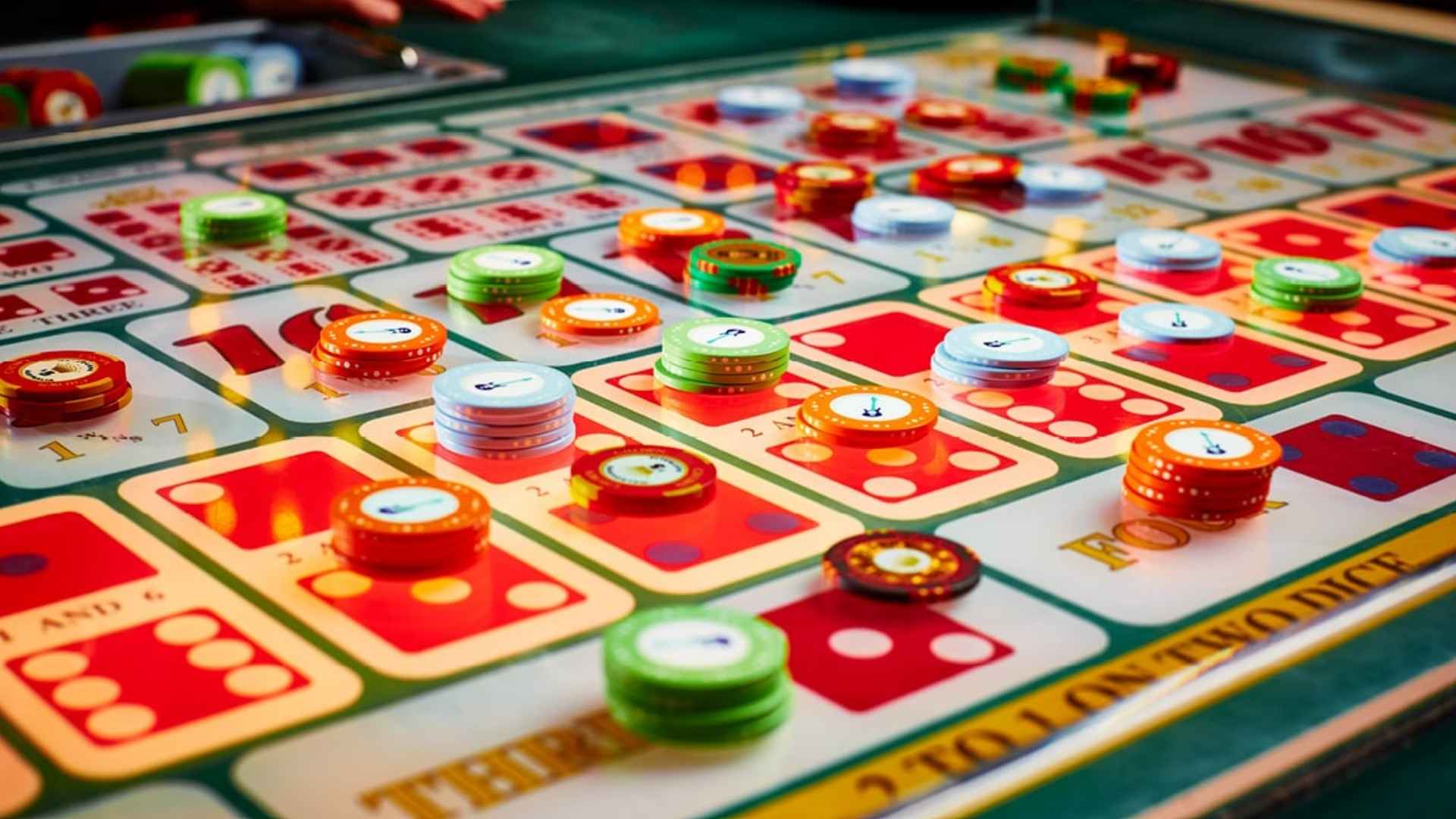
The visual framework of a digital prize wheel dictates how a player feels during a gaming session. While the underlying mechanical operation remains identical across different versions, the aesthetic presentation completely alters the cognitive perception of the game. Transforming a standard random selection tool into a themed experience shifts user engagement from simple calculation to emotional immersion.
The Psychology behind Visual Storytelling
The choices made by game designers regarding color palettes and background imagery establish immediate expectations before the rotation even begins. A dark, sophisticated theme decorated with neon lights evokes a high-stakes corporate lounge vibe, making players feel like elite participants. Conversely, bright pastel shades combined with playful illustrations instantly induce a casual, stress-free state of relaxation.
These distinct environmental moods influence how risk and reward are processed by the human brain during interactive play. When a layout tells a coherent visual story, the participant is no longer just chasing an outcome but experiencing a tailored narrative. This thematic alignment transforms a repetitive interactive loop into a memorable entertainment event.
How Soundscapes Amplify Thematic Tension
Audio integration serves as the vital secondary layer that solidifies the specific atmosphere of a themed prize game. A futuristic sci-fi aesthetic relies heavily on synthetic hums and electronic chimes to build mechanical anticipation as the pointer moves. In contrast, a traditional carnival setting utilizes cheerful calliope music and physical clicking sounds to evoke a powerful sense of comforting nostalgia.
When sensory cues perfectly match the outward appearance, the level of player absorption increases dramatically. Leading entertainment platforms like m88.com carefully coordinate their visual elements with matching sound design to optimize user comfort. This meticulous synchronization ensures that each variant delivers an entirely distinct sensory journey.
The Critical Role of Animation Pacing
The exact manner in which a digital wheel decelerates can vary significantly depending on the overarching concept. A classical luxury theme might feature a slow, heavy rotation that emphasizes suspense and deliberate movement. Meanwhile, an action-packed arcade theme often utilizes quick, energetic turns paired with explosive visual effects to maintain constant adrenaline.
These deliberate modifications in animation physics prevent different configurations from feeling like simple graphical clones. By adjusting the behavioral feedback of the interface, creators can target very specific player preferences. This strategic variety ensures long-term curiosity across an expansive catalog of casual titles.
Customized Reward Structures across Settings
The identity of a theme frequently extends into how the actual prize segments are presented and labeled. A fantasy-themed configuration might replace basic numerical values with mystical artifacts or potion icons to deepen the contextual immersion. This creative translation makes the simple act of receiving a bonus feel like a natural progression of a journey.
By ensuring that the mechanical rewards mirror the visual packaging, developers establish a high level of design authenticity. When players recognize this intentional harmony, their perceived trust and satisfaction with the platform grow. Ultimately, the careful execution of individual themes guarantees that every single spin offers a completely fresh perspective.