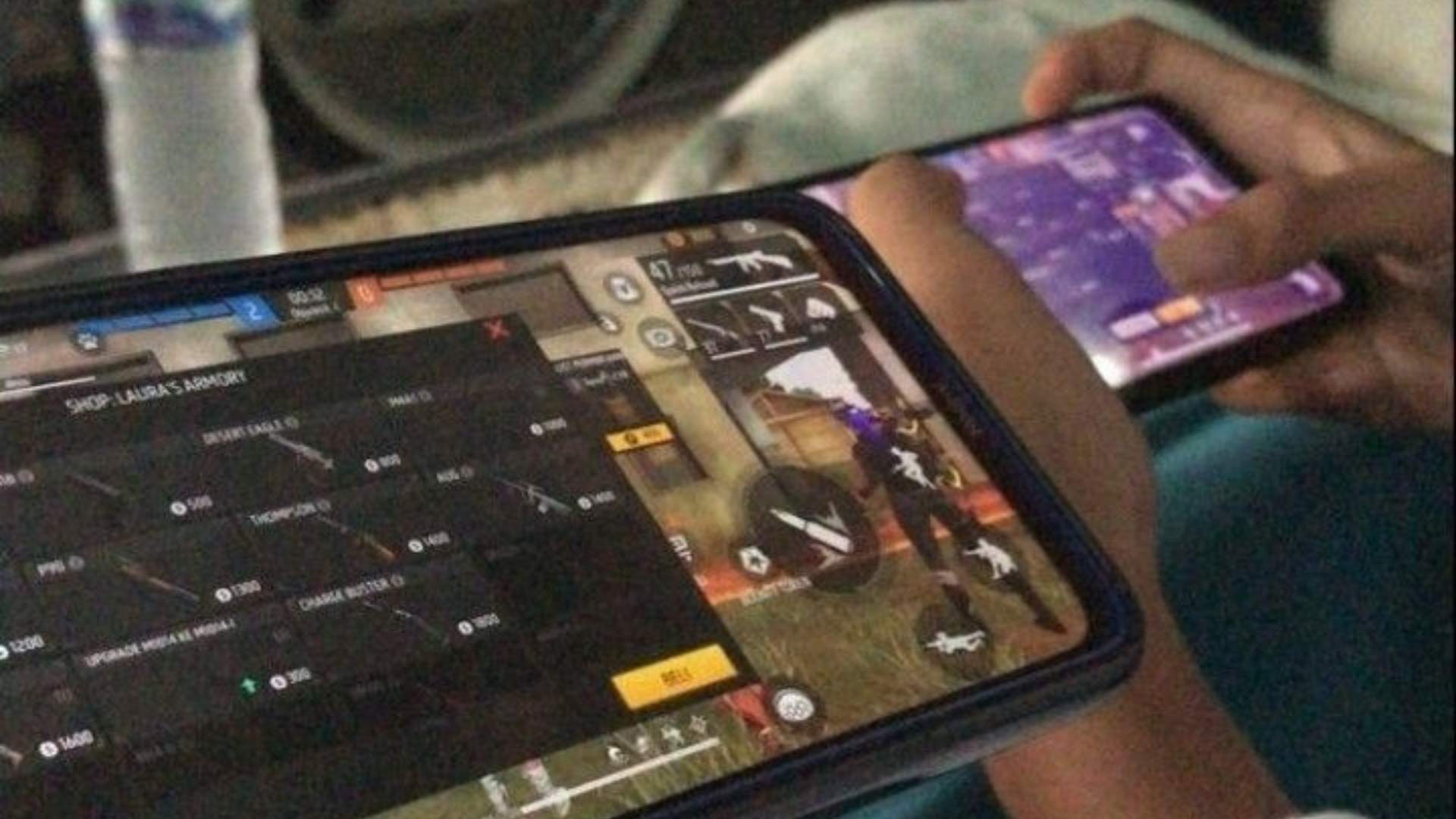
The global landscape of handheld entertainment is undergoing an extraordinary transformation as portable titles transition into massive, persistent digital ecosystems. With modern cellular hardware expanding its processing boundaries, developers can now deploy sophisticated software architectures that were previously reserved for desktop setups. This shift ensures that casual players and dedicated mobile enthusiasts alike receive continuous engagement through fluid mechanics and interactive virtual communities.
The Proliferation of Live-Service Infrastructure
The primary driver behind the ongoing growth of pocket-sized titles is the widespread implementation of the live-service corporate model. Instead of publishing static applications, creators are building shifting digital environments that introduce monthly narrative expansions, seasonal cosmetic updates, and complex community milestones. This dynamic approach ensures a steady stream of interactive events that effectively prevents user fatigue over multi-year cycles.
Furthermore, these adaptive platforms rely heavily on detailed analytical feedback to balance gameplay mechanics and satisfy player preferences seamlessly. By deploying regular software patches based on structural matchmaking telemetry, developers maintain stable in-game economies and fair competitive environments. This long-term dedication to platform optimization fosters deep trust within the community, encouraging sustained participation across diverse demographic groups.
Cross-Platform Compatibility and Social Integration
Modern interactive entertainment has successfully dismantled traditional hardware barriers by prioritizing seamless cloud synchronization and comprehensive cross-play functionality. Users can effortlessly initiate a tactical campaign on their personal smartphones during a short commute and immediately resume the exact session on a home console. This cross-platform fluidity expands the active matchmaking pool, dramatically reducing lobby queue times and ensuring continuous server activity.
In addition to hardware flexibility, modern multiplayer applications serve as thriving social network hubs where global player groups form lasting collaborative connections. Enthusiasts frequently look to external informational repositories like M88 to master advanced mechanical optimization guidelines and track upcoming regional tournaments. This integration of external collaborative resources with native community interfaces turns solitary entertainment into an enduring cultural phenomenon.
Cloud Computing and Next-Generation Accessibility
The upcoming maturation of low-latency cloud data streaming architecture is completely redefining the computational capabilities of entry-level mobile devices. By shifting heavy graphical rendering responsibilities to distant server clusters, players can enjoy photorealistic visuals without investing in premium hardware arrays. This democratization of high-end entertainment allows expansive open-world titles to perform flawlessly on standard cellular hardware worldwide.
As network infrastructures continue to expand their bandwidth capacities globally, the barrier to entry for highly sophisticated titles will decrease even further. This technological progression guarantees that future portable software iterations can implement complex physical engines and massive real-time player counts simultaneously. Ultimately, the continuous expansion of this mobile ecosystem promises an accessible, deeply connected future for interactive digital entertainment.