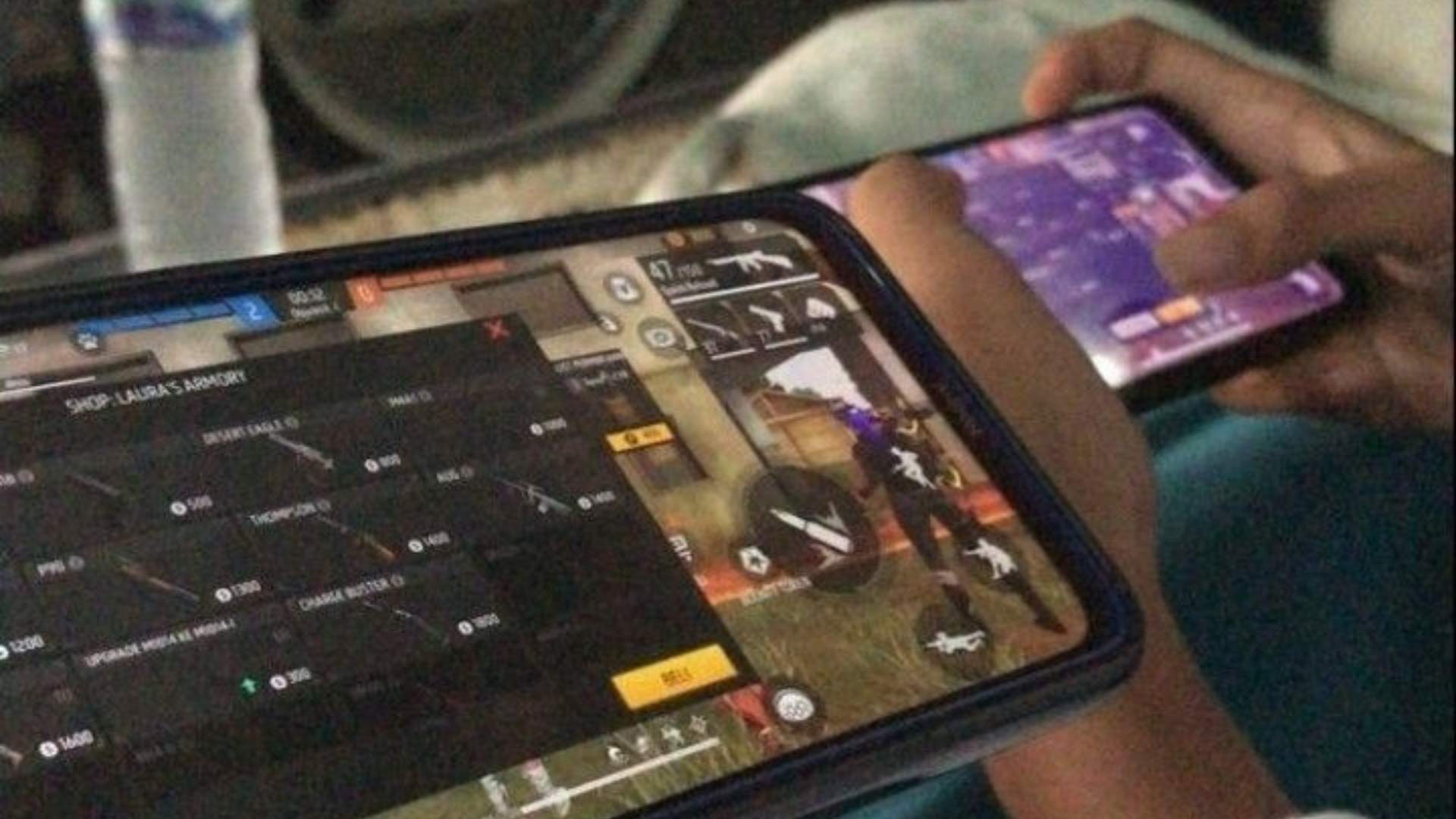
The mobile gaming landscape has witnessed an impressive transformation over the last few years, driven by the desire for immersive tactical experiences. Players are no longer content with simple, isolated card matchups on their smartphones. Instead, they are diving headfirst into massive virtual environments that simulate complex economies, detailed lore, and sprawling digital societies.
The Evolution of Immersive Virtual Environments
Modern mobile card games are moving beyond basic tabletop mechanics to build entire digital landscapes. These environments provide players with a sense of place, where every victory or defeat alters their standings within a grander narrative framework. This shift has successfully blurred the line between traditional role-playing universes and deck-building mechanics.
As technology allows for deeper processing power, developers can implement persistent systems that react to community interactions in real time. These digital settings foster a deep sense of exploration, prompting players to discover hidden factions and rare card synergies. The resulting depth ensures that long-term participation feels deeply rewarding for casual users and hardcore enthusiasts alike.
The Mechanics Driving Global Matchmaking
At the center of these expansive digital environments lies the sophisticated implementation of skill-based matchmaking algorithms. These modern systems ensure that every encounter feels balanced, challenging, and intellectually stimulating. By analyzing historical player data, the platform can quickly pair competitors of identical capabilities.
Fostering a fair play environment is crucial for maintaining player retention over extended competitive periods. For instance, finding a reliable portal like the login situs m88 platform helps enthusiasts access stable networks designed for competitive engagement. Having access to responsive, well-regulated digital landscapes allows communities to grow without the frustration of unbalanced matches.
Deck Building as an Intellectual Pursuit
Constructing a powerful deck within these expansive systems requires extensive research, strategic foresight, and continuous adaptability. Successful competitors must look beyond the individual numerical values of their collection to focus heavily on intricate systemic interactions. A single mechanical adjustment can completely redefine how a configuration performs against the current standard tactics.
The meta-game shifts rapidly as developers introduce fresh content updates, balancing patches, and seasonal expansions. This dynamic cycle forces players to continually refine their approaches rather than relying on one optimized formula indefinitely. Nurturing creativity within deck construction remains the most reliable path to achieving high ranks in the global leaderboards.
The Rise of Global Tournaments and Shared Communities
The global phenomenon of digital card gaming has successfully united millions of individuals across international borders. Structured seasonal leagues, community-driven events, and official developer tournaments provide clear avenues for tracking personal skill milestones. Engaging with these extensive interactive networks exposes players to innovative strategies pioneered by international experts.
Furthermore, these collaborative spaces allow individuals to share tactical theories, discuss lore developments, and establish long-lasting social connections. The longevity of modern virtual environments depends entirely on the health and enthusiasm of their active player base. By prioritizing balanced systems and community integration, developers ensure their digital realms remain relevant for years to come.