Understanding the structure of a standard deck of cards can clarify many common questions during tabletop gaming and card practice. Players frequently ask whether the Joker qualifies as a face card alongside royal characters like kings and queens. Examining standard card classifications helps clarify gameplay rules and improves strategic decisions across various popular card games.
Defining Face Cards in a Standard Deck
In a traditional 52-card deck, face cards specifically refer to the cards that depict actual human figures or royalty. These cards consist of the Jack, Queen, and King across all four suits, amounting to twelve face cards in total. Because each face card features a detailed portrait, they are instantly distinguishable from numerical cards.
The visual distinction of face cards plays an essential role in game mechanics and scoring values. In many traditional games, these cards carry higher values or special privileges compared to standard number cards. Their unique design legacy dates back centuries to traditional European playing card decks.
Why the Joker Is Not Classified as a Face Card
Despite featuring a depicted character, the Joker is technically not categorized as a face card in standard card terminology. Jokers were introduced much later in card-playing history as extra wild cards or trump cards. Unlike kings, queens, and jacks, Jokers do not belong to any of the four standard suits.
Because the Joker lacks a suit and standard suit rank, it operates under completely separate gameplay rules. Most classic card games either exclude the Joker entirely or assign it a specialized role separate from standard face cards. Understanding this distinction prevents common scoring errors and arguments during casual play.
How Face Cards Function Across Popular Games
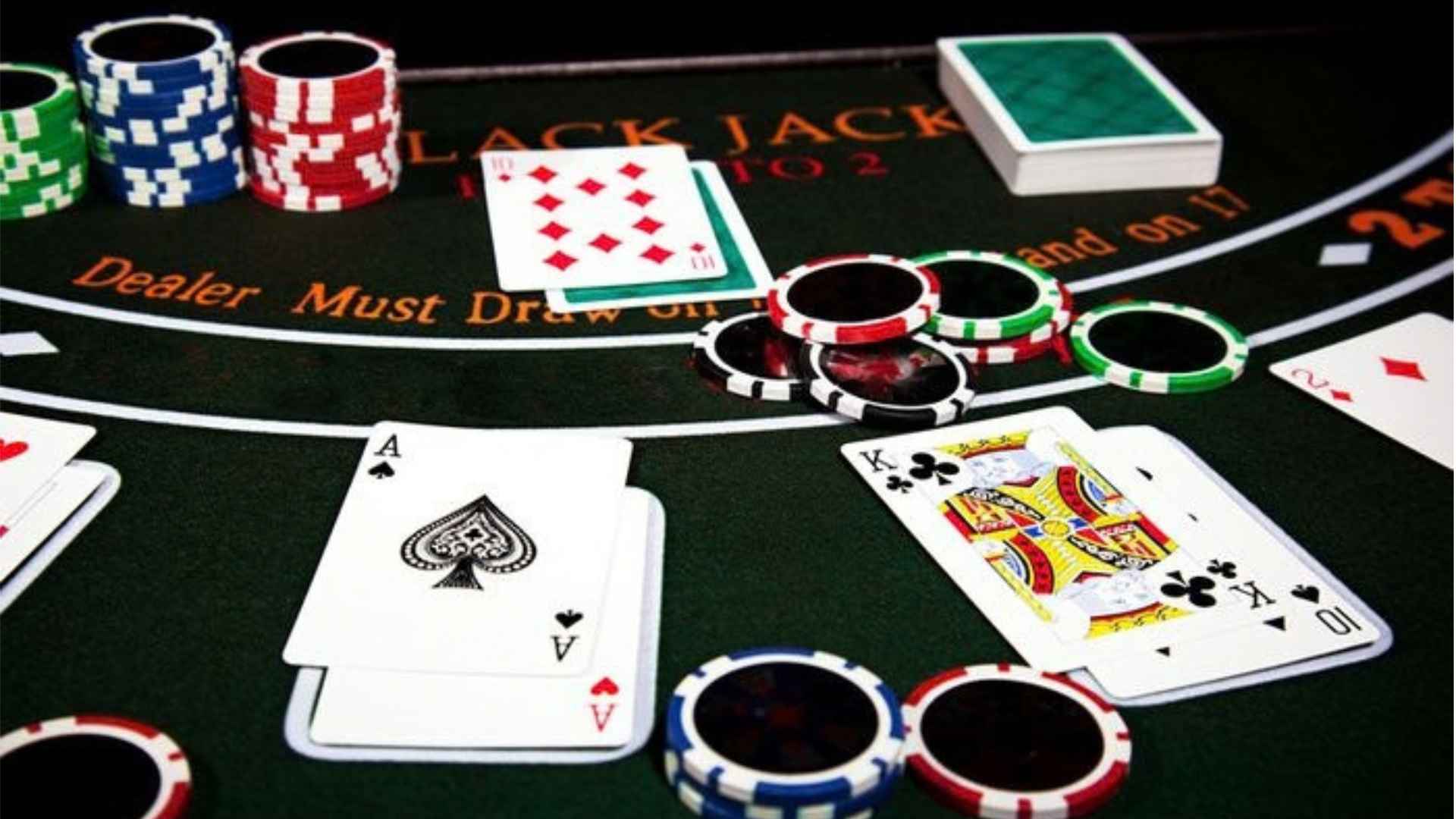
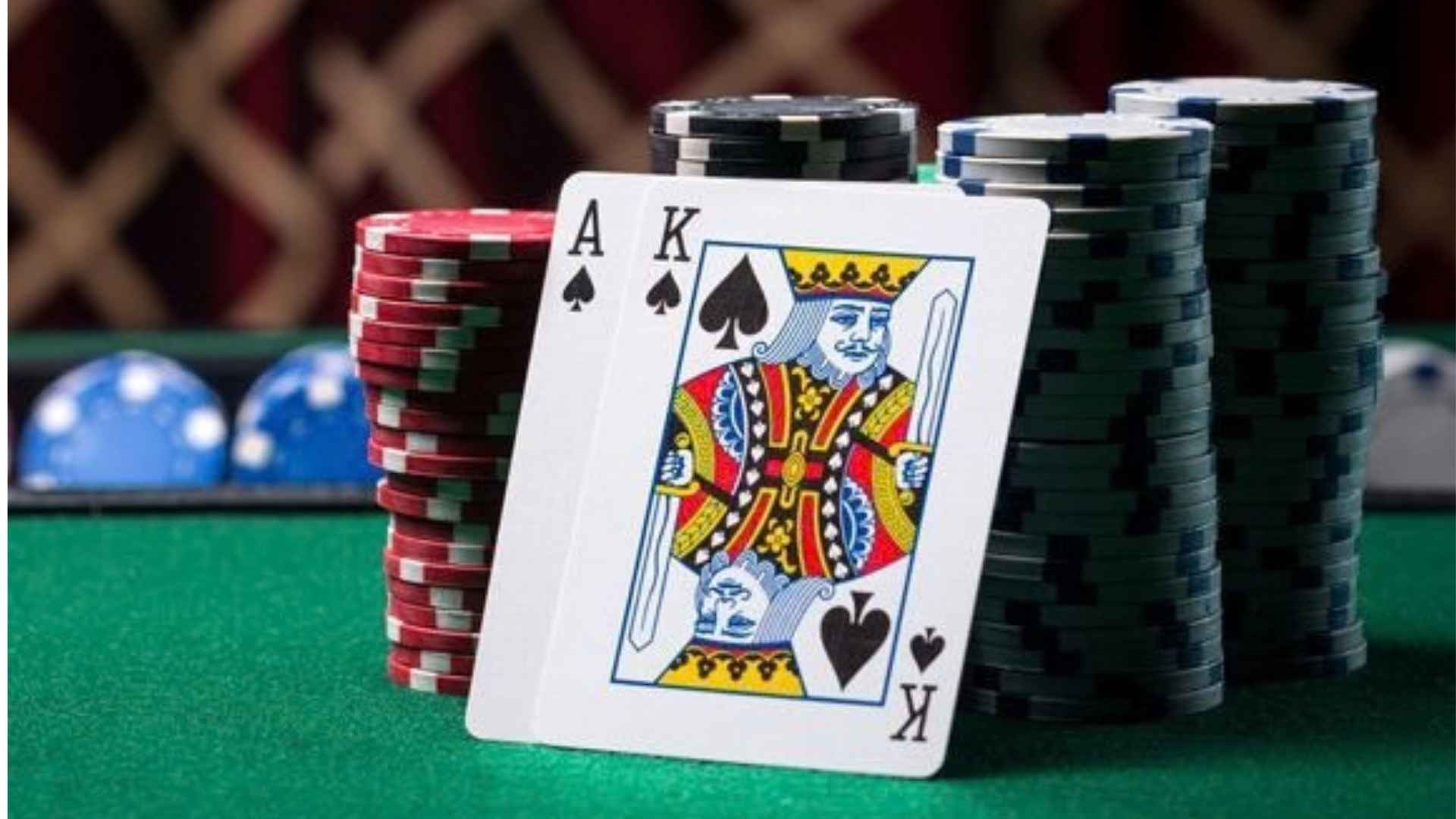
Face cards serve distinct purposes depending on the rules of the specific card game being played. In games like Blackjack, every face card carries a uniform value of ten points regardless of its suit or specific character. In contrast, games like Poker evaluate face cards by strict hierarchical ranking, where a King beats a Queen, and a Queen beats a Jack.
The versatility of face cards makes them pivotal in building winning hands and determining strategy. Players often build entire tactics around acquiring or blocking these high-value court cards during match play. Learning how individual card values interact allows players to anticipate opponents and execute smarter decisions.
The Unique Gameplay Role of the Joker
While the Joker is not a face card, its presence adds unpredictable dynamics to custom rules and non-standard games. When included, Jokers typically function as ultimate wild cards that can substitute for any missing card value or suit. This flexibility makes them powerful assets for completing difficult combinations.
In specialized card games like Euchre or Canasta, Jokers hold highest-ranking trump privileges or specific point values. Knowing when to integrate Jokers helps maintain balance and creates unique strategic opportunities. Recognizing how every card category functions ensures a accurate and enjoyable card-playing experience for everyone.