Classic tile-based number games have entertained families and puzzle enthusiasts for generations, providing an engaging blend of simple arithmetic and deep tactile strategy. From traditional wooden sets to modern plastic components, these physical games have seamlessly transitioned into the digital era. Exploring how classic number tiles have evolved reveals fascinating insights into modern gaming design and interactive entertainment trends.
The Rich Heritage of Physical Number Tiles
Before touchscreen devices dominated casual entertainment, tabletop number tiles offered an accessible way to test logical thinking and tactical planning. Games like Rummikub and traditional domino variants required players to create numerical sequences, sets, or mathematical matches on physical boards. This hands-on experience fostered both cognitive skills and social interaction among players of all ages.
The physical tactile feedback of shuffling and organizing tiles created a unique sensory connection that kept these pastimes popular across decades. Players developed personalized organizational methods to track potential moves and anticipate opponent actions. This foundation of clear rules and strategic depth made tile games ideal candidates for modern digital adaptations.
Translating Tactile Play to Digital Screens
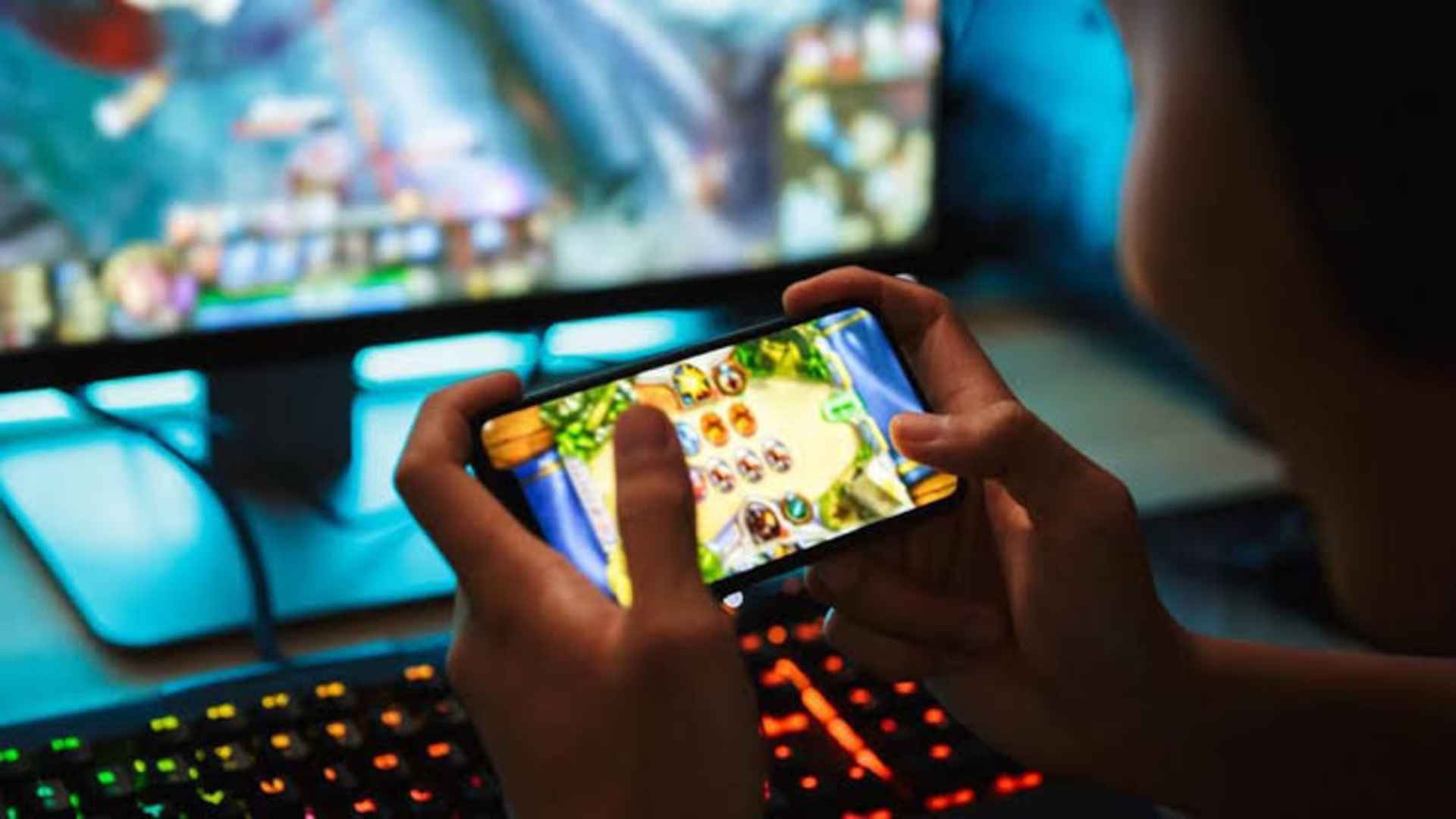
Adapting physical tile games into software formats required developers to preserve the core strategic mechanics while enhancing convenience. Software designers focused on replicating the visual layout of physical boards with intuitive drag-and-drop mechanics. These visual improvements allow modern players to organize their virtual racks quickly without losing track of complex combinations.
Digital platforms also introduced automated score tracking and rule enforcement, eliminating common disputes and manual calculation errors. By removing administrative friction, digital tile games allow users to focus entirely on tactical planning and skill development. Consequently, both new players and seasoned veterans can enjoy smooth, fast-paced game sessions.
Modern Enhancements in Online Tile Gaming
Today's digital tile adaptations go beyond simple recreations by incorporating dynamic multiplayer matchmaking and diverse game modes. Online ecosystems connect players across global networks, enabling competitive tournaments and casual daily challenges. Players can test their strategies against diverse opponents, fostering vibrant digital gaming communities.
Furthermore, artificial intelligence algorithms now power single-player practice sessions, helping users refine their skills at their own pace. Modern graphics, custom tile themes, and real-time leaderboards add fresh visual appeal to time-tested gameplay formats. These innovations ensure that traditional numerical concepts remain engaging for contemporary audiences.
The Persistent Appeal of Numerical Puzzles
The enduring popularity of tile-based games highlights the universal appeal of structured logic and pattern recognition. Whether played on a wooden table or a high-definition smartphone screen, managing numerical combinations provides satisfying mental exercise. This balance of simplicity and depth ensures that number tile games will continue to thrive across future technology platforms.
As digital game development continues to advance, classic formats will undoubtedly incorporate new interactive features like augmented reality. Preserving the essence of traditional gameplay while adapting to modern habits allows these classic pastimes to remain relevant. Ultimately, number tiles remain a timeless testament to the power of simple, elegant game design.